Global AI Policy & Governance
A better future starts with human choice.
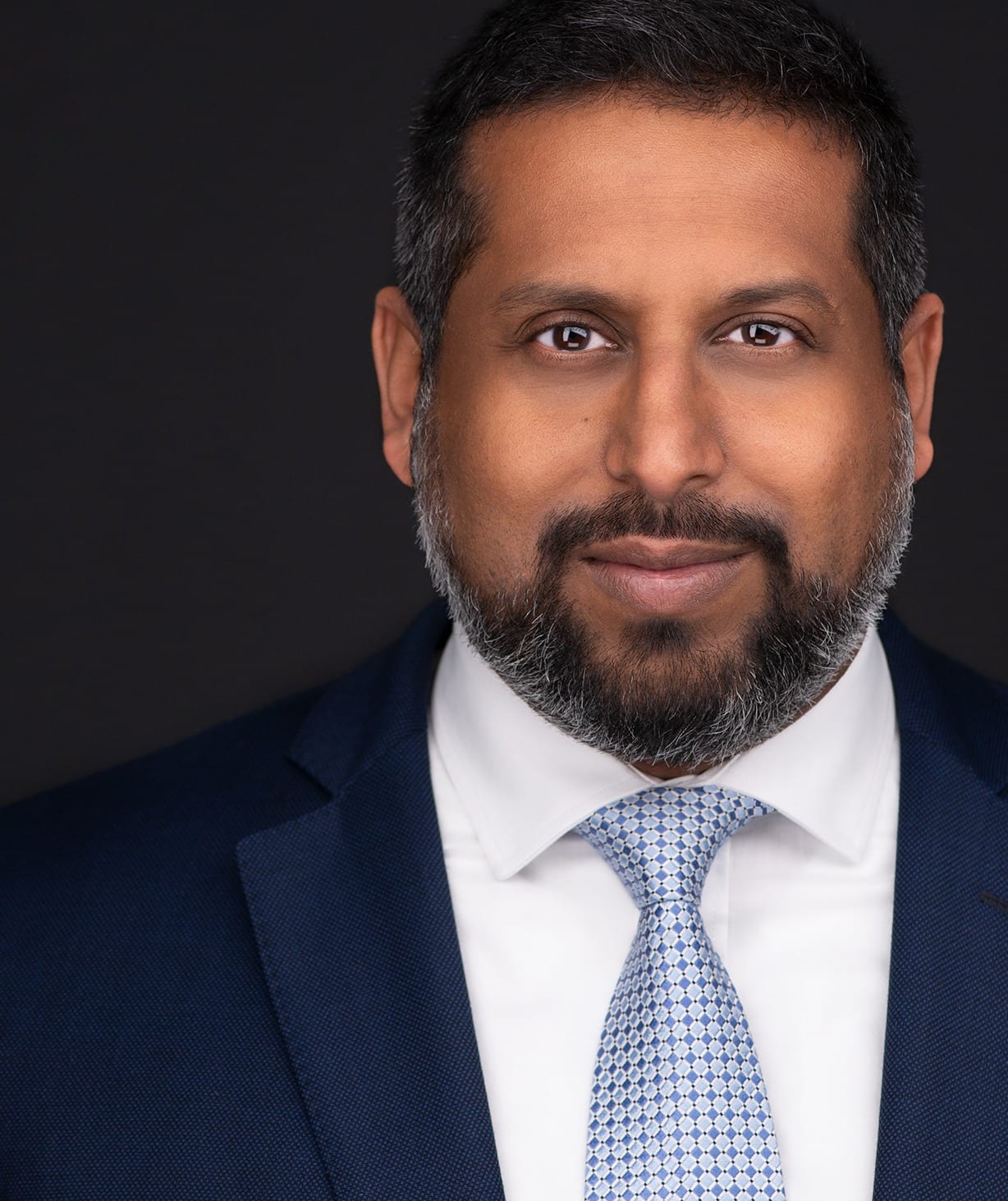
Vilas Dhar puts human choice at the center of technological progress. He shows who is making the decisions, who bears the consequences, and how people can claim a real say.
Global AI policy expert · President, Patrick J. McGovern Foundation · $500 million committed to AI and data for public purpose under his leadership
What human choice means
Human choice means more than accepting terms on a screen. It means understanding how a consequential system affects you, having a voice in how it is used, being able to refuse when the stakes are high, and having someone answer when it fails.
“It depends on us.” — a student in a central Illinois classroom
Technology is changing how people work, learn, receive care, and participate in public life. None of those outcomes is inevitable. They are choices, and the people living with the consequences deserve a real say.
Recent writing
01020304
TIME
The Fight Over AI Is Really a Fight Over Who Governs
Tech executives have told us that AI will remake our jobs, schools, relationships, and wars. But we were also asked to believe we would all benefit from a change unfolding without our consent or participation.
Frontiers Policy Labs
Designing Capability: Institutions and the Future of Emerging Compute
The countries that invest in governance alongside compute capacity will shape the terms of AI development for everyone else.
OECD
Why Cities Must Build, Not Buy, the Infrastructure of Intelligence
Cities that outsource their AI infrastructure to private vendors are not governing. They are accepting terms set by others.
World Economic Forum
Why cybersecurity's future depends on people, not just technology

Speaking
Speaking to the moment.
Vilas speaks about what technological change means for work, democracy, care, and leadership. His talks give audiences a clear way to see who is making the choices, who bears the consequences, and what a meaningful say looks like.
Topics include:
- • AI and the Question of Authority: Who Decides How Your Organization Changes
- • Leading Through the Machine: Judgment, Trust, and the Human Work of AI Adoption
- • The Governance Gap: What Boards and Leaders Are Missing About AI
- • Building for the Long Term in a World That Rewards Speed
285+ engagements, including the World Economic Forum, the United Nations General Assembly, TEDx, the Munich Security Conference, and the Aspen Ideas Festival.
The choices in front of us
Technological progress is not a force of nature. It is a series of decisions. These three are happening now.
01
Your work
AI can replace a worker or equip one. The technology does not make that decision. Employers do, and workers deserve a voice before the terms of work change around them.
Read about work and AI →02
Your vote
A democracy cannot ask every citizen to become a forensic expert on what is real. Campaigns, platforms, broadcasters, and public institutions must carry that burden.
Read about technology and democracy →03
Your family
When a machine denies a loan, benefit, insurance claim, or care plan, someone must be able to explain the decision and change it. Unanswerable power is a design choice.
Read about care and answerability →These choices are being made now. It depends on us.
Selected videos to watch
Three selected conversations on AI governance, public purpose, and the institutions that shape our shared future.
A New Code for AI
TEDxPaloAlto · 2024
Why AI governance requires a fundamentally new framework, not updated versions of existing regulation.
Fox News: Common Sense, Accountability, and Winning the AI Race
Fox News — Jesse Watters Primetime · 2026
Why practical guardrails, clear accountability, and an AI race measured by outcomes for American families matter more than hype or apocalypse narratives.
Civic Algorithms
Penn State Dickinson Law · 2025
The legal and institutional frameworks needed to govern AI as civic infrastructure.
About Vilas
Vilas Dhar puts human choice at the center of technological progress.
Raised in central Illinois and trained as an engineer and lawyer, he now leads the Patrick J. McGovern Foundation, a $1.5 billion philanthropy focused on AI and data for public purpose.
Across classrooms, hospitals, farms, boardrooms, and international institutions, he makes the decisions behind technology visible: who is making them, who benefits, who bears the risk, and whether the people affected have a meaningful say.
About VilasSelected writing and appearances
Quoted, interviewed, or featured by
We Own the Future
A monthly letter from Vilas Dhar on technology, power, and human choice.
Each month, Vilas Dhar names the choices behind technological change, who is making them, and what the rest of us can still do.
One substantial letter each month. No noise.